Pool Contamination
Our community pool is a shared space designed for relaxation, fun, and neighborhood gatherings.
Creekside Pool Health and Safety Response Plan
The Creekside and Creekside North facilities strictly adhere to the health codes established by the City of Overland Park and the Johnson County Department of Health and Environment (JCDHE). Biological contaminations are managed as critical public health hazards requiring professional remediation and mandatory facility closures.
🚨 Important Information for Swimmers
To maintain a safe environment, swimmers and guests should be aware of the following protocols:
Immediate Notification: If a biological or medical accident occurs, please notify pool management immediately. Prompt reporting is essential for public health.
Mandatory Closure: In the event of fecal or vomit contamination, the affected aquatic venue will be closed to swimmers immediately. Pool closure may be up to 48 hours.
Shared Systems: If multiple pools share a single recirculation and filtration system, all connected pools must close simultaneously until remediation is complete, even if the incident occurred in only one area.
Surface Contamination: Access to deck areas or furniture contaminated by bodily fluids will be restricted. These surfaces must be professionally cleaned and disinfected according to health department standards before public use may resume.
Important Pool Information
🧫 Professional Operator Protocols
Before a facility is permitted to reopen, a certified pool operator must complete a strict legal process:
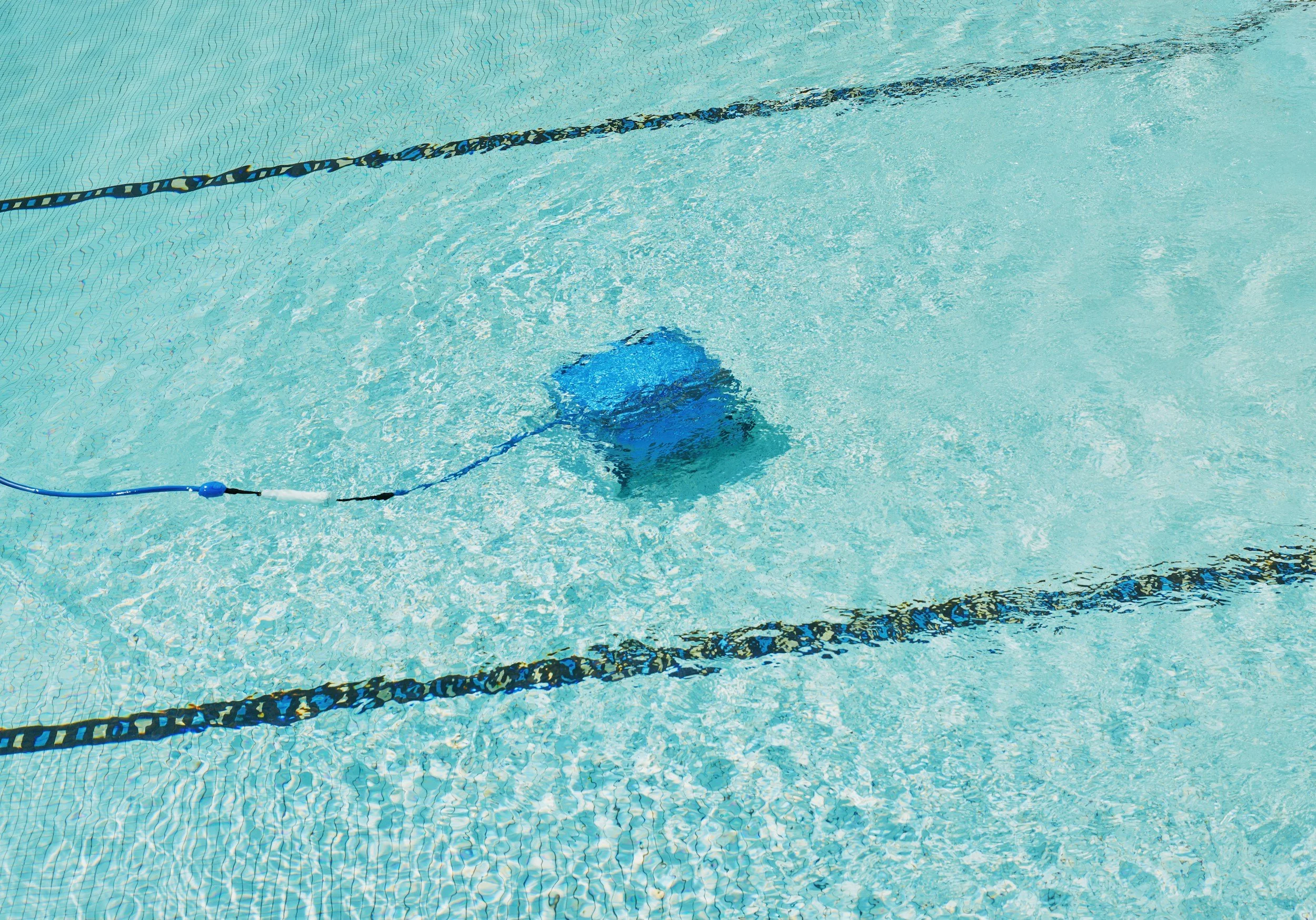
Manual Remediation: Contaminating material is removed manually using dedicated equipment. To prevent further contamination, standard pool vacuums are not used unless they meet specific sanitary sewer discharge requirements.
Equipment Sanitation: Any tools used during the cleaning process are thoroughly cleaned and disinfected.
Chemical Remediation: The operator must adjust the water chemistry to specific regulatory standards. This involves using professional-grade chlorine products to reach required concentrations for pathogen inactivation.
Uniformity Testing: Free chlorine residuals are tested at multiple sampling points throughout the pool to ensure that the disinfection levels are consistent across the entire body of water.
Regulatory Compliance: Reopening only occurs once the water chemistry meets all applicable local and state health laws.
Practicing good hygiene and reporting incidents immediately helps ensure that the pool remains a healthy environment for the entire community.
🕒 Understanding Remediation Timelines
Closures are necessary to allow for the effective elimination of pathogens. The duration of a closure depends on the type of contamination and the specific chemical characteristics of the pool water at the time of the incident.
Standard Incidents (Formed-Stool or Vomit): These require a disinfection period once the necessary chemical levels are reached. Because the facility uses stabilized chlorine products, local regulations require extended disinfection times to ensure safety.
High-Risk Incidents (Diarrheal-Stool): These pose a significant health risk and require a rigorous hyperchlorination process. Closures for these incidents are lengthy and can exceed 24 hours depending on the chemical balance required by law.
Legionella Protocols: In the event of suspected Legionella contamination, facilities such as spas will remain closed until professional scrubbing, draining, and repeated laboratory testing confirm the elimination of the bacteria.
Find What You Need